ARCTIC DESTINATIONSWestern Arctic




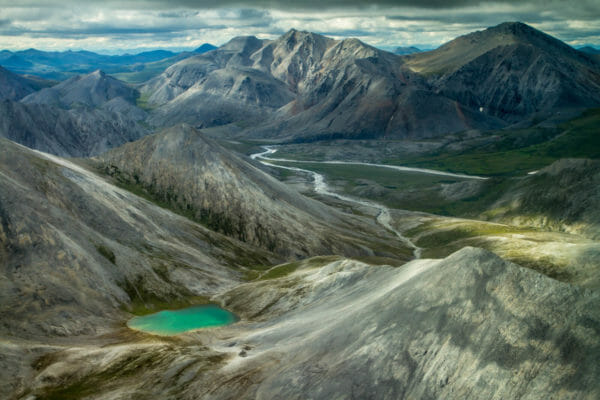
The Western Brooks Range is big, wild, and virtually unexplored. You won’t recognize a single place name, but isn’t that what you’re looking for? Go west for wilderness and wildlife.
About the Western Arctic
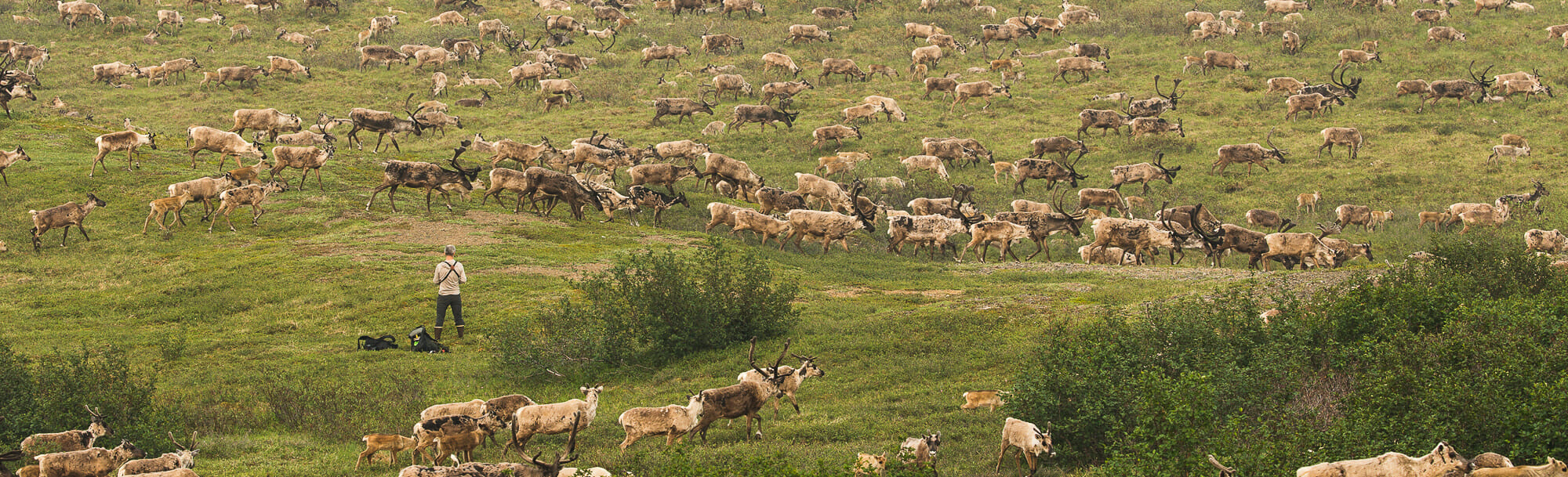
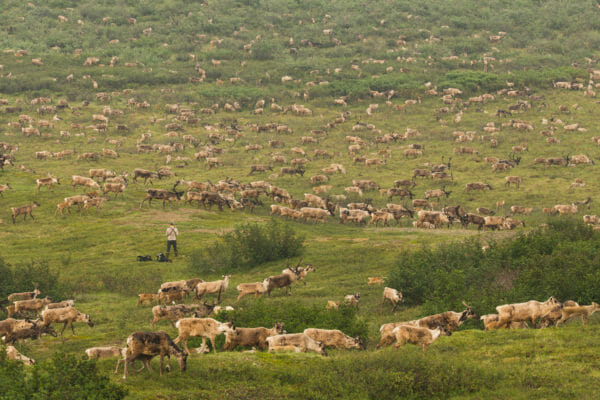
The western Arctic is the most remote and untraveled part of Alaska. Unknown of the unknown, home of the 121,000 member Western Arctic Caribou herd. You almost certainly will not encounter other parties (or even footprints) on many of our trips in the western Brooks Range. Expect encounters with wildlife. A wilderness of mountains and tundra stretches north of Kotzebue all the way to the Chukchi Coast.
Most of the region is part of the 23 million acre NPR-A the scale of the Western Arctic is hard to comprehend. With a slightly more maritime climate than the Arctic National Wildlife Refuge or other portions of the Alaskan Arctic, the Western Arctic has plants and animals rarely found elsewhere, and more abundant wildlife than any other portion of northern Alaska. It is an unparalleled wilderness where limitless adventures await.
Special Areas in Alaska's Western Arctic
The federal government has recognized the region’s most important and vulnerable habitats, protecting them with special designations to ensure that wildlife flourishes.
Utukok Uplands Special Area
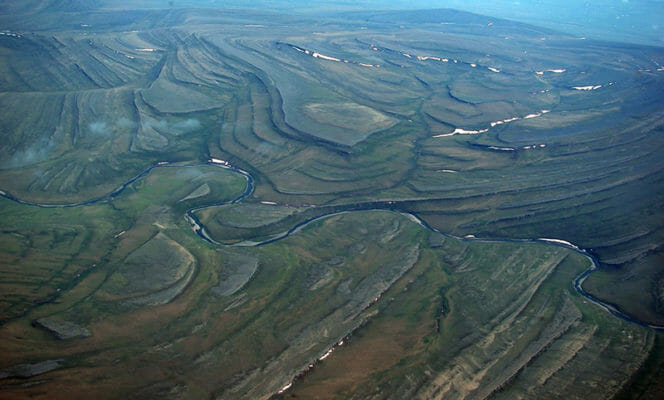
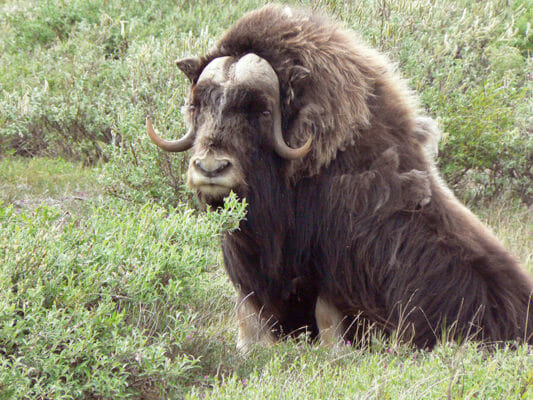
From the northern edge of the Brooks Range to the Chukchi Coast the folded highlands are drained by rivers like the Utukok and Kokolik. The Western Arctic Caribou herd summers here along with muskoxen, wolverine and an incredible variety of wildlife. The Utukok Uplands are an ideal place for a wilderness canoe trip or wildlife focused base camp adventure.
Teshekpuk Lake
Teshekpuk Lake and the surrounding wetlands are arguably one of the most important wetland complexes in the circumpolar Arctic in terms of both size and productivity. Home to the Teshekpuk Caribou Herd, molting area for 60,000 geese, and a nesting area for innumerable waterfowl and shorebirds each spring, this tangle of lakes, ponds, dry sandy ridges and quiet rivers is an exciting area to travel and explore.
Colville River
The Colville River Special Area was created to conserve Arctic Alaska’s largest river and the abundance of raptors which nest on the many cliffs towering above the clear waters.
Kasegaluk Lagoon and Peard Bay
On the Chukchi Coast are two wild and impressive lagoon systems where the coastal tundra merges with the Arctic Ocean. There is a cacophony of birdlife on the islands and in the wetlands on shore. Marine mammals rely on the protected lagoons and barrier islands during summer and fall. Though typically windy and cold, Kasegaluk is among the most interesting and wildlife rich places in Alaska.
Arctic Canoeing, Camping and Backpacking Trips
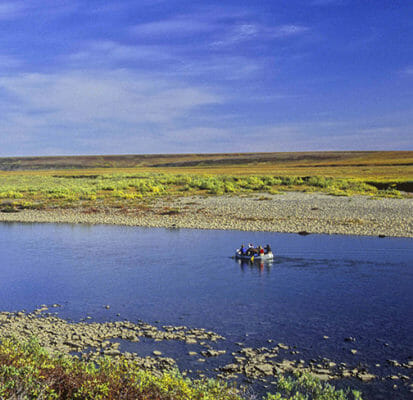
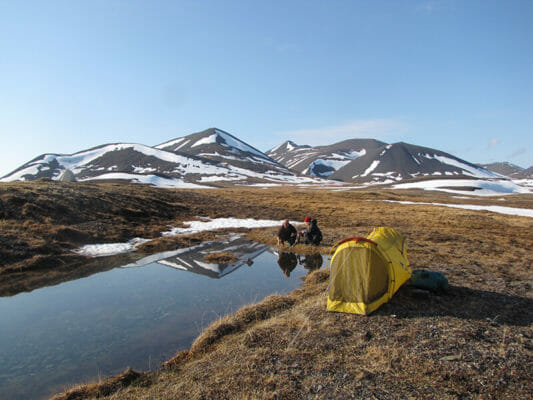
These adventures are the trips our guides covet and vie for. The remoteness of the area and the richness of its fauna coupled with its storied history make this a world class, if totally unknown, destination. The gentle gradient of most rivers make the western Arctic ideal for Alaska wilderness canoeing.
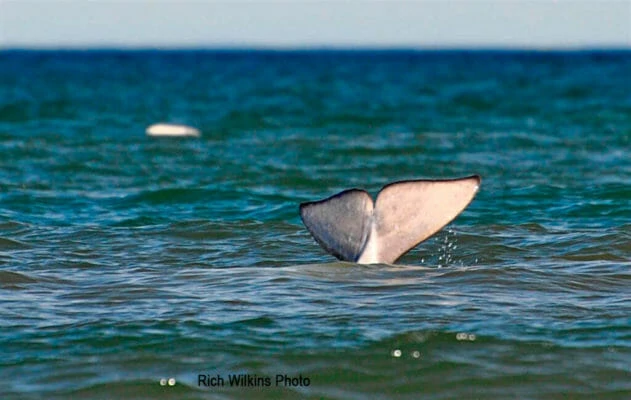
Hiking routes in the Brooks Range offer endless backpacking routes. Further north base camp trips focus on wildlife from Beluga whales to caribou and provide photographic opportunities like nowhere else on earth.
Geography and Wildlife of Alaska's Western Arctic
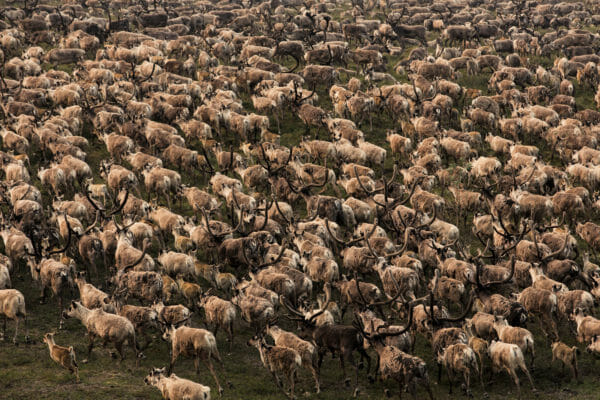
As the Brooks Range heads west beyond Gates of the Arctic National Park, the craggy peaks and arid climate give way to broad colorful ridges, rich and productive tundra, and some of the highest densities of wildlife anywhere in Arctic Alaska. Except for the few Inupiaq communities, the bulk of the Western Arctic is un-peopled and remote. Our trips offer unparalleled opportunities to view the Western Arctic and Teshekpuk caribou herds as they migrate just after calving, predators in tow.
On a canoe trip a few years ago we watched 60,000 caribou swim the river in a single day. The river turned white with shed hair from the animals. On the Chukchi Coast where the tundra blends into the ocean is a rich complex of lagoons hosting marine mammals and birds during the brief arctic summer. And near Teshekpuk Lake the variety and abundance of birds in June is breathtaking.
Western Arctic Birding
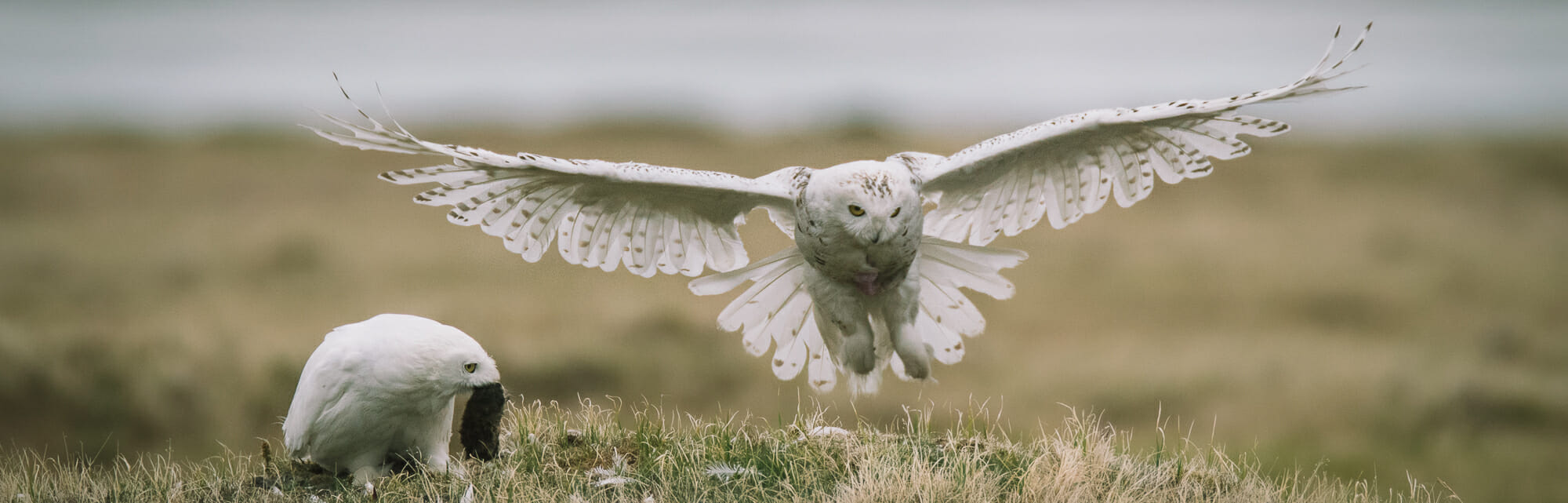
For bird enthusiasts, the Western Arctic is a fantastic place to see Asian migrants such as bluethroats. bristle-thighed curlew, northern wheatears, and yellow wagtails. Yellow-billed loons and other rare waterfowl can be seen near the coast.
Raptors like gyrfalcons, golden eagles and rough-legged hawks commonly nest along the river corridors. If you want to see wildlife in a truly wild place a Western Brooks Range trip is the adventure for you.
Western Arctic TRIPS
2026



2027