


Teshekpuk Canoe

DATES

June 22, 2027 - July 1, 2027

REGION

Western Arctic

TRIP COST

$9,700

calendar

DATES

June 22, 2027 - July 1, 2027
region

REGION

Western Arctic
price

TRIP COST

$9,700

Canoe through the remote Western Arctic, down a quiet clear water river and ending at the wildlife rich Teshekpuk Lake. Explore the unexplored with Arctic Wild.

TRIP DETAILS

Far above the Arctic Circle, where the midnight sun wanders the sky for weeks on end, lies some of the most important wildlife habitat in the entire circumpolar Arctic. Teshekpuk Lake and the surrounding tundra and wetlands host more breeding and molting birds than any other part of Alaska’s Arctic.

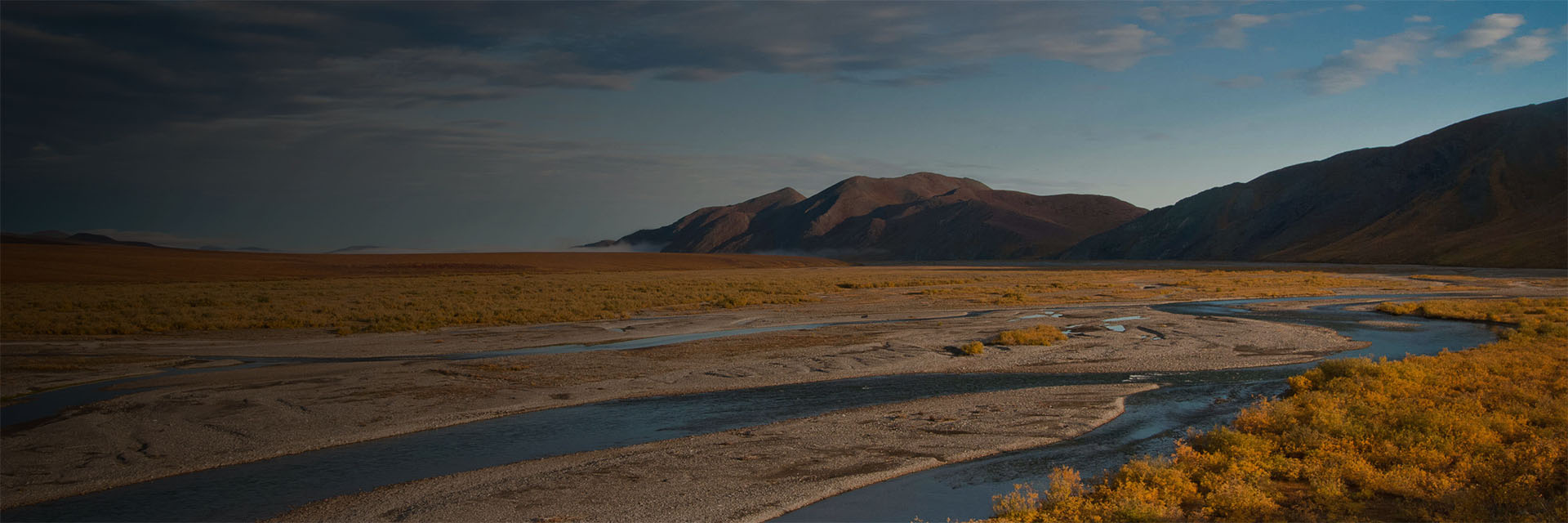
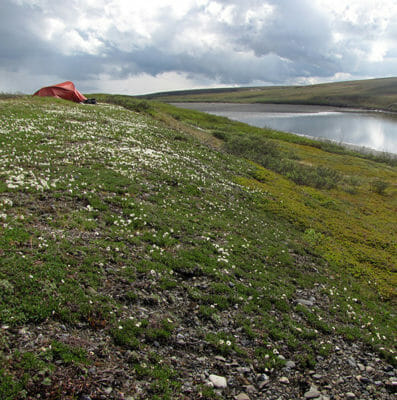
South of Teshekpuk Lake is an area of sandy ridges, long river bluffs, and flowered tundra benches winding between and through a maze of ponds and lakes. This mosaic of water and land is thick with wildlife during the brief summer. Birds from the world over migrate to Teshekpuk’s wetlands to breed.

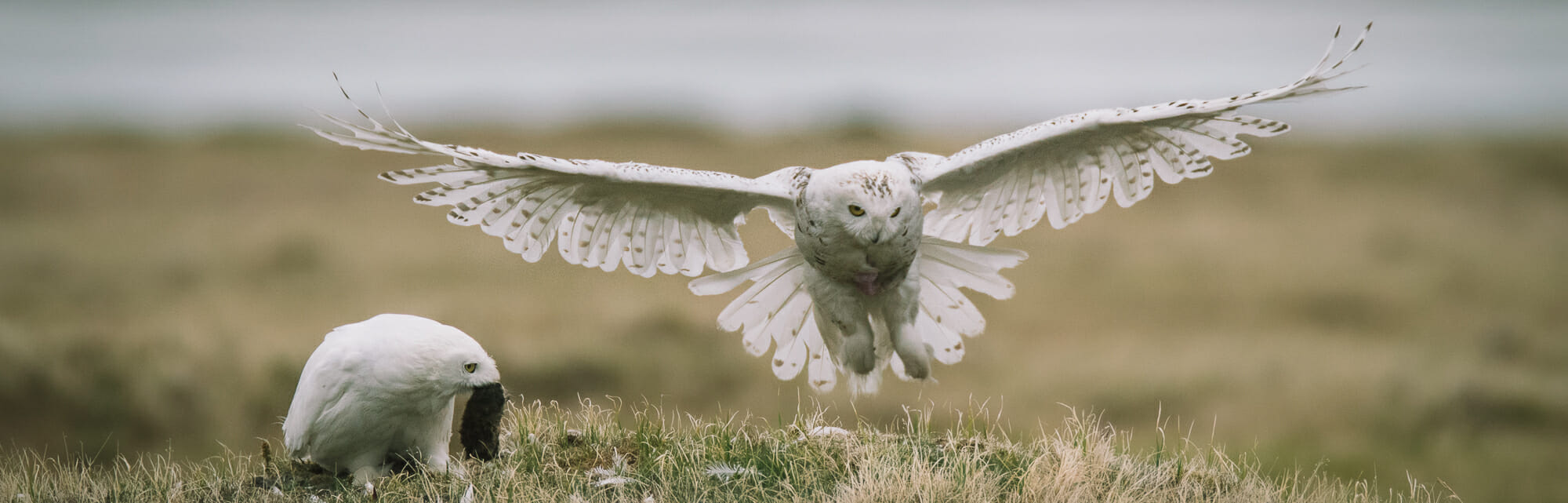
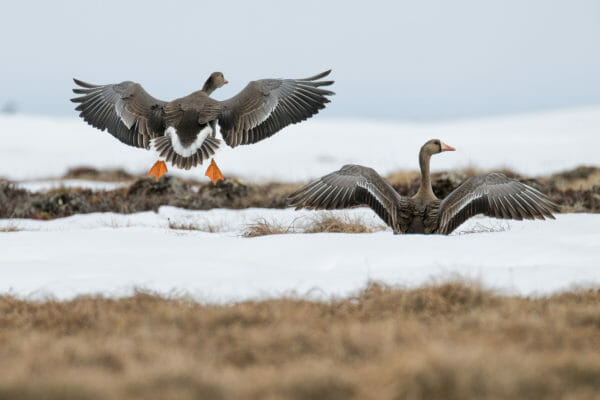
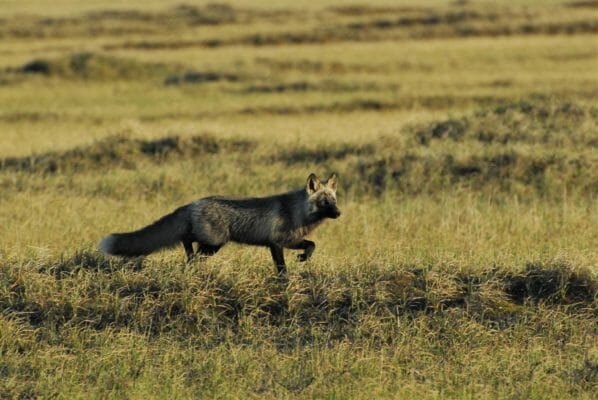
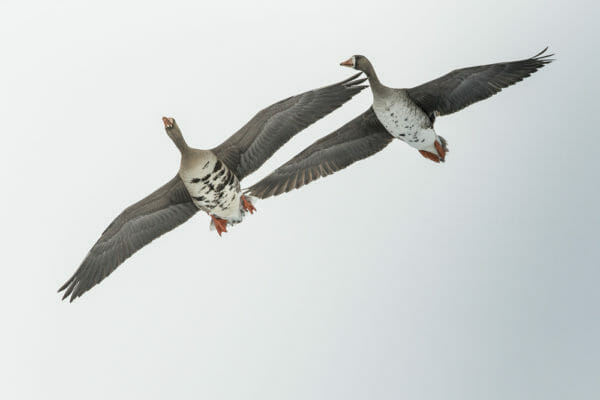
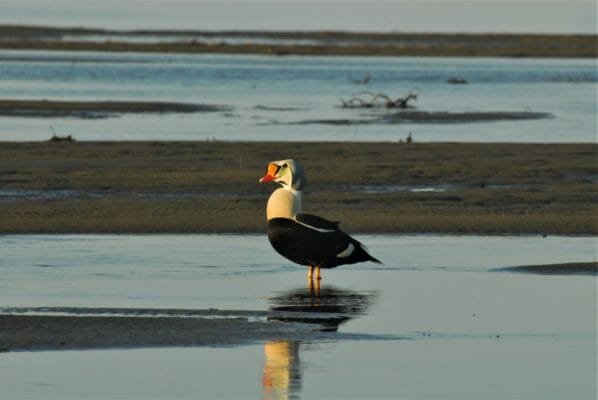
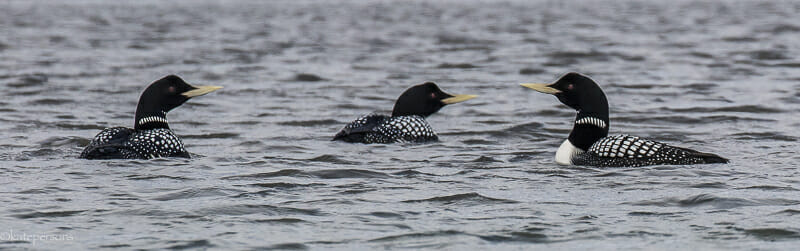
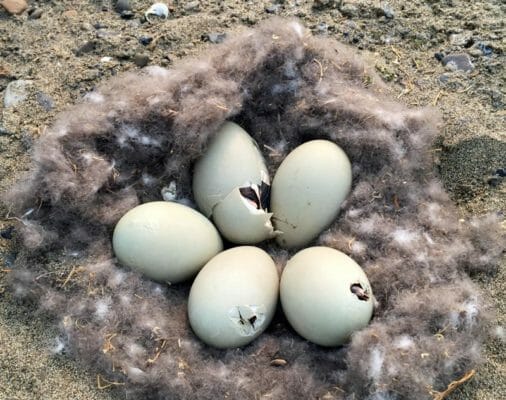
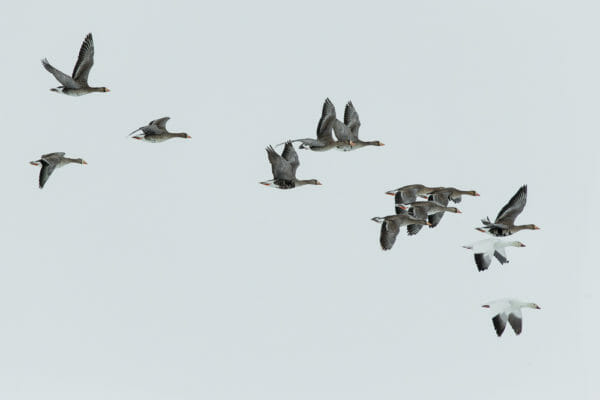
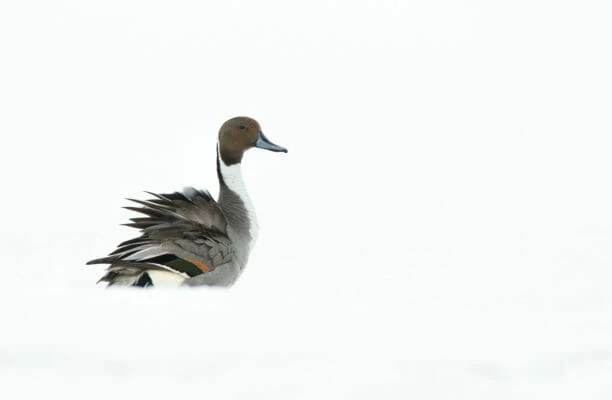
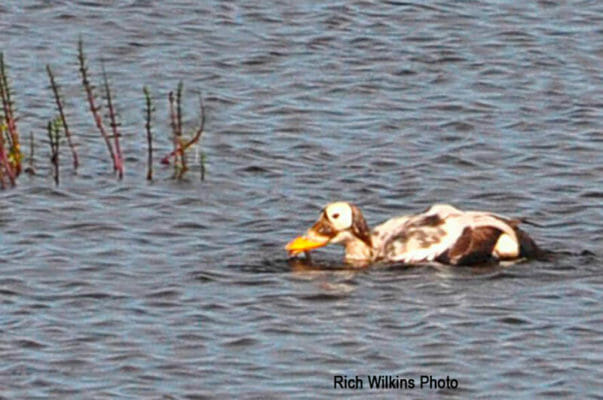
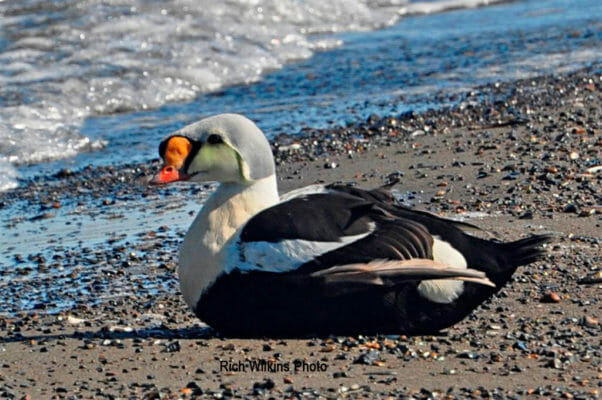
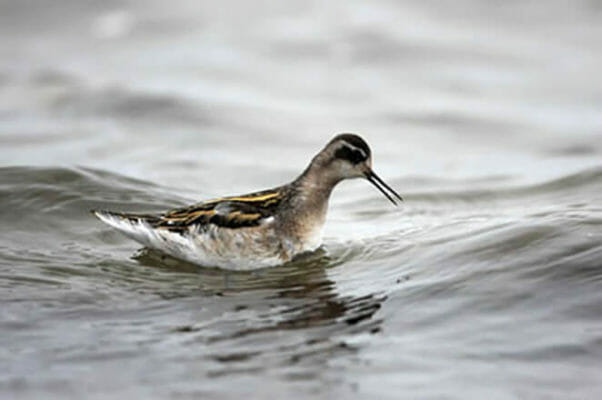
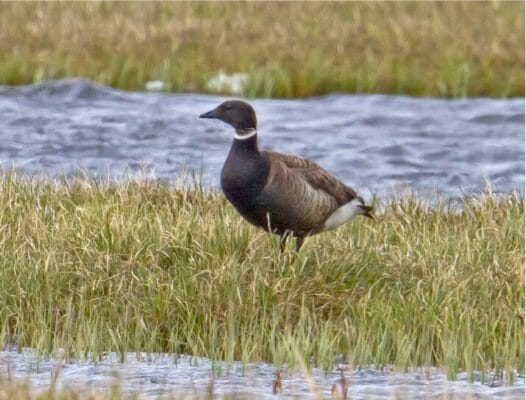
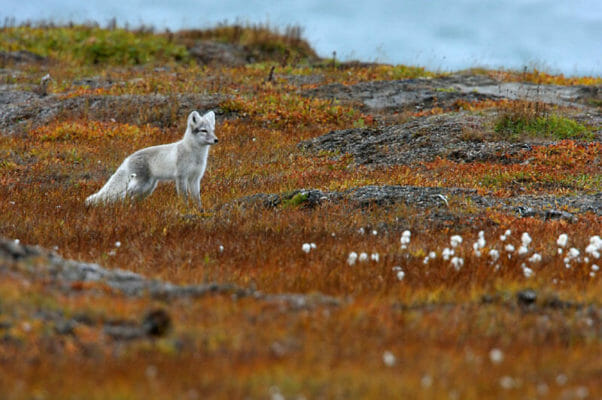
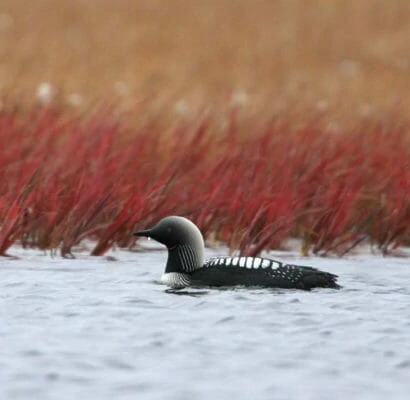
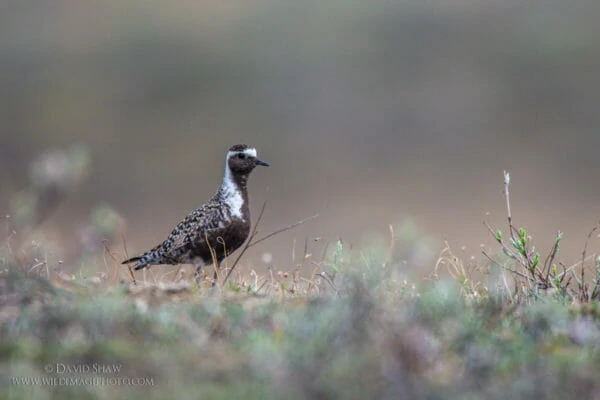
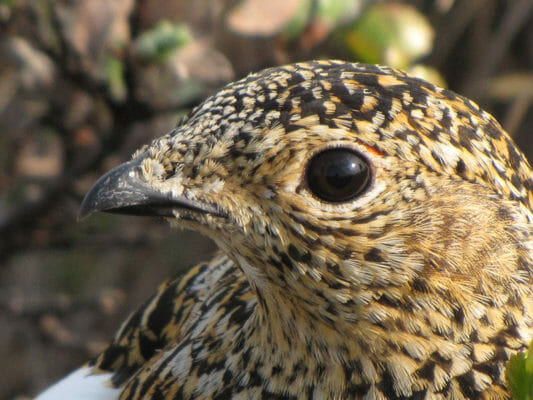
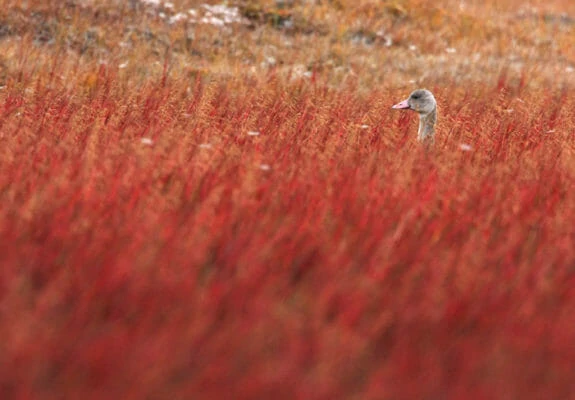
All four species of eider ducks, an estimated 600,000 shorebirds and hundreds of thousands of geese including 1/3 of the worlds brant, yellow-billed loons, along with jaegers, snowy owls and a variety of passerines breed and molt in the area. This abundance of bird life supports foxes, weasels including wolverine and a host of avian predators.

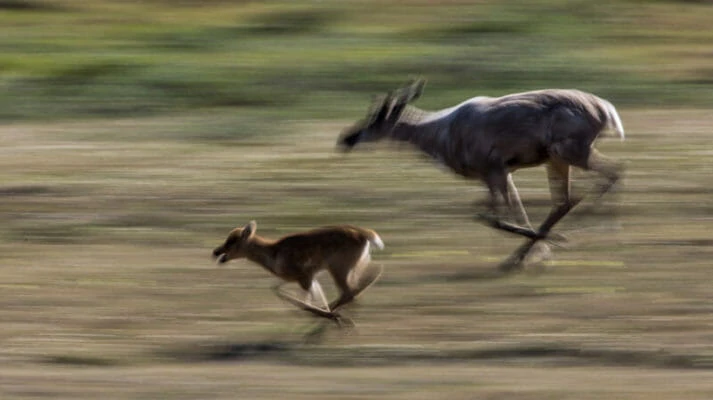
The area is also home to the Teshekpuk Caribou Herd, our only non-migratory caribou herd in Arctic Alaska. These 40,000 odd caribou spend the entire year on the Arctic Slope and tend to gather south of the lake in late June to feed on the fresh green tundra. We have excellent chances of seeing caribou on this trip.

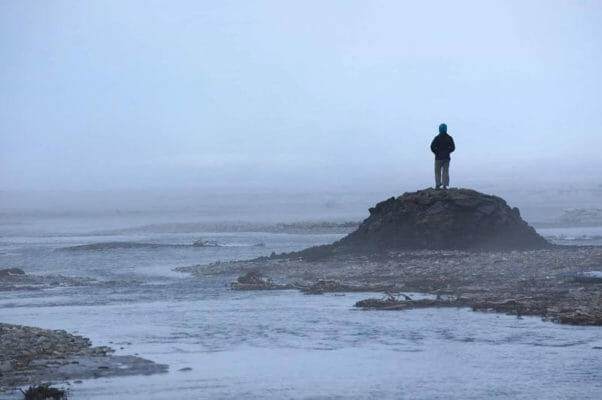
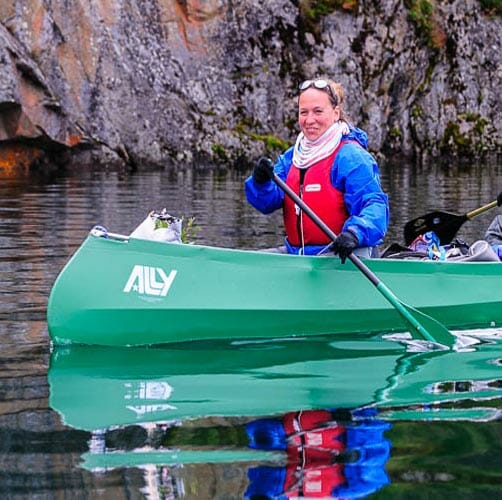
Hiking in a straight line through this wildlife rich maze would be impossible. But the areas small rivers provide a path through the wilderness and an excellent way for us to discover the beauty of this rarely visited corner of Alaska. We will paddle a small, sinuous, clear-water creek with Teshekpuk Lake as our destination.

Our adventure starts west of the Pik Sand Dunes, 7,000 acres of tawny sand and azure lakes in a sea of green tundra. Home to an endemic flower and an important refuge for caribou, Ambitious hikers can make it to the dunes from the river. Everyone will enjoy the great hiking and interesting sites in the area.


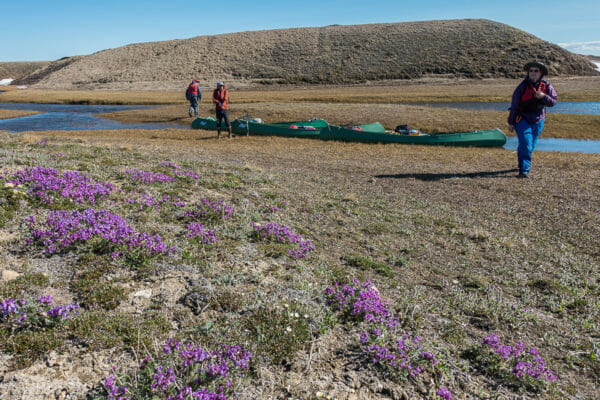
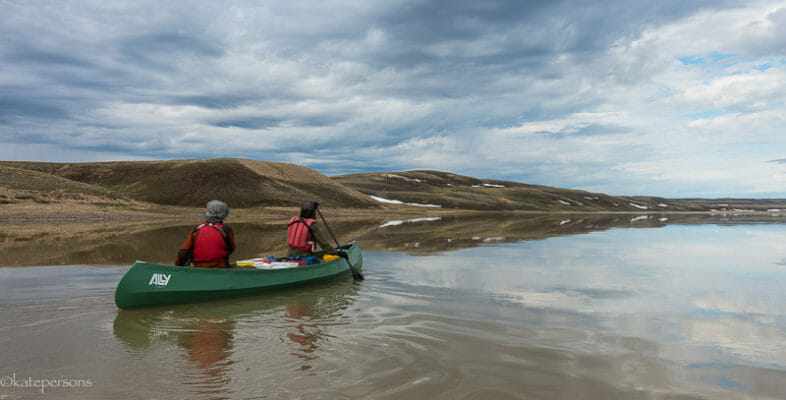
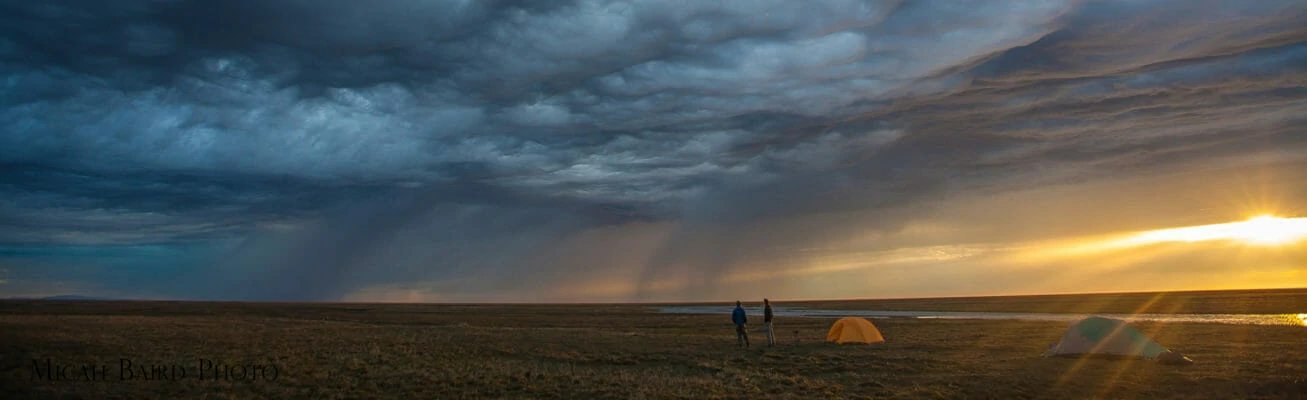
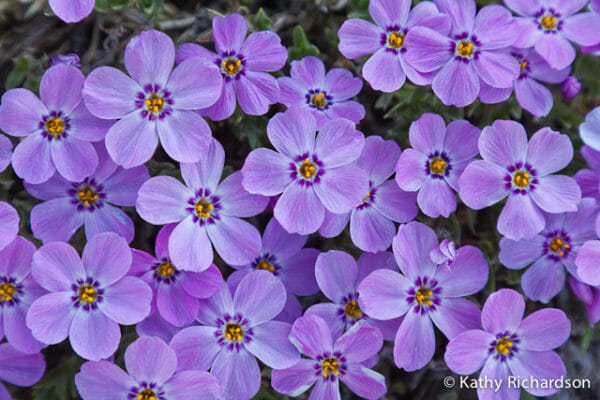
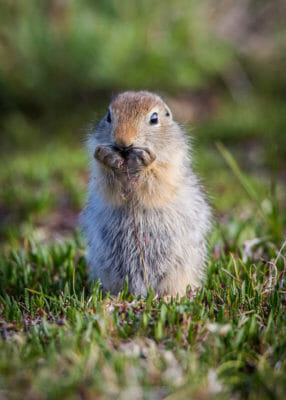
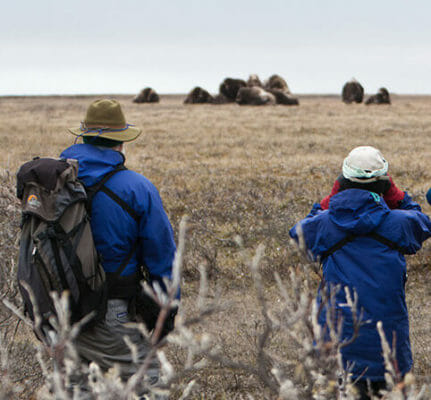
Once we settle into the country we will think about heading down river in canoes. At this time of year we expect the Kealok to be past the spring freshet but still high enough to move us along without bumping into too many sand-bars. The river swings between river bluffs and permafrost banks smoothly flowing over a sandy bottom and past innumerable lakes and ponds which dot the tundra. The enormity of the landscape and sky allow us to scan the horizon for wildlife and challenge us to discern ground squirrel from bear. Without our familiar references of trees and mountains the coastal plain is dreamlike and wondrous. Around each bend the tundra is alive with birdlife and wildflowers and this land of ice, water, and sand surprises and delights us.

We alternate paddling days with hiking days and have ample time to explore the region. Assuming normal water levels, the canoeing is straightforward and fairly relaxed. We can likely cover the 50 plus river miles in 3 traveling days without too much trouble. Low water conditions create lots of shallows and sandbars which we will need to avoid or scootch over. Strong winds from the north will bring a chill to the air and sweat to the brow is we have to paddle against them for very long.

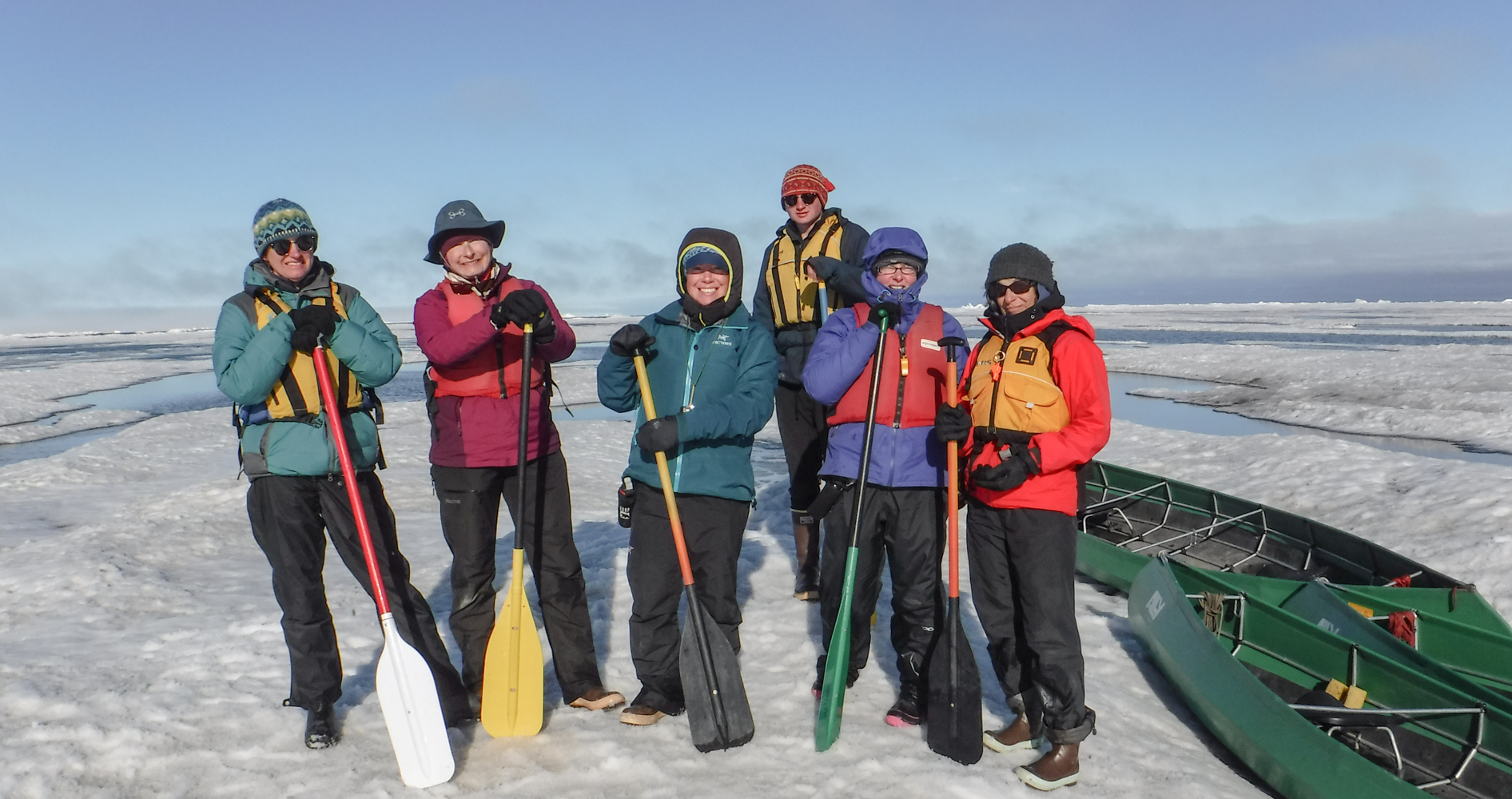
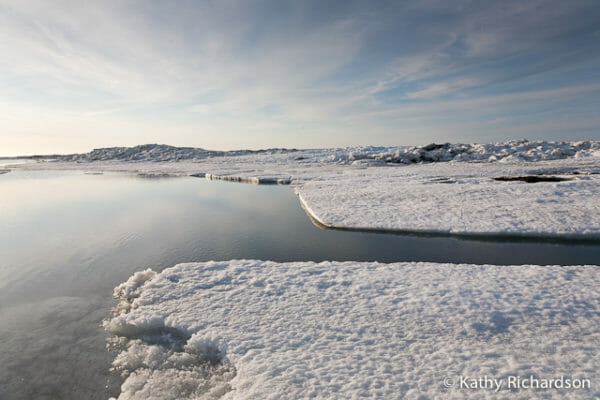
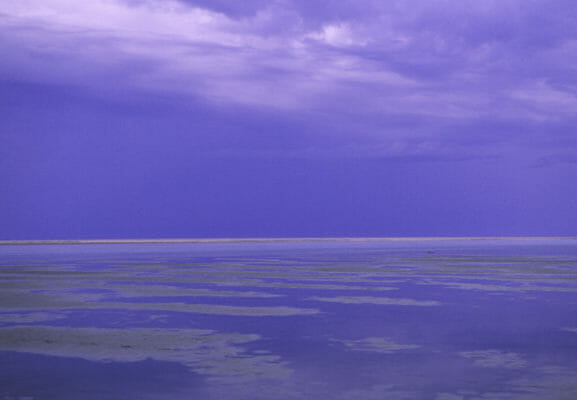
After several days of paddling past fox dens and nesting geese the river spreads into a sandy delta and melts into Teshekpuk Lake, Arctic Alaska’s largest lake, practically an inland sea. Still ringed by snow drifts and partially covered with last winter’s ice the lake sprawls to the north begging us to explore. If the wind allows we can paddle out onto the lake and along the shore, likely encountering flocks of waterfowl, and loons. There are Inupiat camps historic and ancient along the lakeshore which demonstrate the long and close ties between the lake and the people of the North Slope. Caribou are very likely to be moving through this area as they transition back and forth between the excellent feeding south of the lake and the Arctic Coast just miles away.

An interest in natural history and bird life will add to your trip. Experience with river canoeing is important for your safety. But you need not be Earnest Shackleton nor John James Audubon to enjoy this trip. Please contact us if you have questions about this unique and exciting trip in one of the richest and most beautiful parts of the Arctic.


Last updated: July 17, 2026

Itinerary

What follows is a general flow of events. Expect the unexpected and prepare to be flexible.

June 21

Meet your guide at Arctic Wild headquarters at 4 pm for a pre-trip meeting where we can check gear and help you get ready for our departure the following morning.

June 22

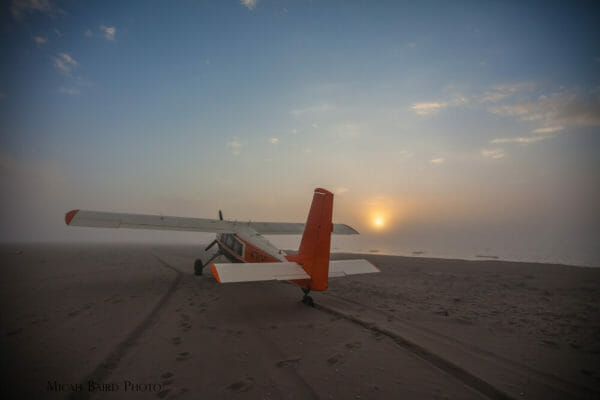
Fly north from Fairbanks across the Yukon River over the Brooks Range and into the Arctic Slope.  We land on a sand bar near the river and unload. After we bid our pilot farewell we are swallowed by the silence.

June 23

We have a full day to explore the area and settle into the enormity of the landscape. Walking is excellent here and the diversity of habitats makes for an interesting day of walking, birding, fishing or whatever delights you the most. For those who want, we can strike out to the east and make the long walk to Pik Dunes. But there is lots to enjoy closer to camp too.

June 24

With endless daylight we are never in a hurry, but we do have some miles to cover, so today we  assemble the canoes on the shore of the Kealok, discuss river safety and canoe techniques, then off we go down river!

This clear water creek winds northward to Teshekpuk allowing us to travel this wildlife rich area with relative ease, stopping to watch wildlife and exploring the tundra beyond.

June 25 - 28

We have 4 more days to paddle the 40 something miles of the creek. If the water is up and the wind is down it will be a lazy float with binoculars in hand over two days.

But, with only two feet of drop per mile the current may be insufficient to counter the wind and we will paddle our way north searching for the deeper parts of the creek and hugging the bluffs to duck out of the frequent northeasterly winds.

Regardless of how easy or hard the miles are to cover, we have lots of time to explore the area and to consider it’s wildlife and flora. At 70° degrees north and with no mountains to the north the sun will shine brightly through the night. Birdlife reaches a peak in the long shadows of the midnight sun.

We expect to have one if not two “layover days” when we keep camp set-up and explore on foot.


June 29

We will likely hear the lake before we see it, the rhythm of waves on gravel and the cries of gulls and geese carried across the tundra by the wind. At its mouth the Kealok Creek spreads into multiple channels and forms a broad sandy delta dotted with nesting birds. We aim to camp in the delta this night right on the shore of Arctic Alaska’s largest lake.

June 30

Teshekpuk Lake! Arctic Alaska’s inland sea bejeweled with floating ice.

We have a full day here at the lake shore to hike, explore, or even paddle out to the lake ice which is typically not too far from shore.

July 1

Mid-morning we start listening for the plane. Once it arrives we reluctantly load our gear and ourselves into the plane and wish Teshekpuk a final farewell.

Weather permitting we will be back in Fairbanks around 6 pm. Time for a hot shower!
The guides were uncommonly knowledgeable, competent, hardworking, and they consistently took care of the group before taking care of their own stuff. They kept our safety in mind while staying open to suggestions, and allowing folks a lot of freedom for personal wanderings.

- Jim, Alaska, USA

DETAILS

WHAT'S INCLUDED

Round-trip airfare from Fairbanks

Food while in the wilderness, stoves, cooking & eating utensils, water filter

Canoes, life jacket and paddle, safety & repair gear

Professional guide service

Select camping equipment is available through Arctic Wild

WHAT'S NOT INCLUDED

Non-camp lodging

Non-camp meals

Personal clothing and gear

Gratuity for guide(s)

WEATHER & BUGS

Weather this time of year is typically dry and sunny, though not particularly warm. Precipitation is generally light, and it’s fairly easy to keep comfortably dry. You can expect temperatures to range from the 30s to the 60s.  Strong winds and fog are common. Mosquitoes could be bothersome on the trip. DEET and a head net are essential but the steady sea-breeze generally keeps them at bay. Nuiqsut is the closest weather station.

RECOMMENDED READING

Arctic Dreams by Barry Lopez

Whales, Ice, and Men by John Bockstoce

On Arctic Ground by Debbie Miller

Naturalists Guide to the Arctic by E.C. Pielou

Being Caribou by Karsten Heuer

Teshekpuk Lake Wetlands a video by Gerrit Vyn

More Alaska reading is available from our Bookstore

"The wilderness was spectacular, the leadership perfect."
"I am just finishing my tenth trip with you guys. As always, the trip was more than I expected and I had a great time. See you next year!"
"Of all outfitters with whom we have worked (and that is quite a number), you were by far the most organized and responsive."
"That feeling of wide open wonder, the possibilities for nearly limitless wandering, and the image of those proud caribou...that will stay with me a long time"
"Our guide was an encyclopedia on legs. He was always willing and ready to teach, to talk, to listen, to do another hike, or to lie low in camp if we were beat. He truly gave us the trip we wanted!"
client client client client client
Eileen - Canning River